
If there’s one bird that is a constant in life around our lakes, it’s the Great Blue Heron — the tall, graceful bird that inspired the silhouette featured on our community signs.
You’ll spot these majestic wading birds year-round at Chickasaw Bluff Lakes, often standing perfectly still along the shoreline or gliding low over the water in slow, deliberate flight.
🐦 A Familiar Face
The Great Blue Heron is the largest heron in North America, standing up to 4 feet tall with a wingspan that can stretch over 6 feet. Despite their size, they weigh only about 5 to 6 pounds, thanks to hollow bones that make them light and aerodynamic.
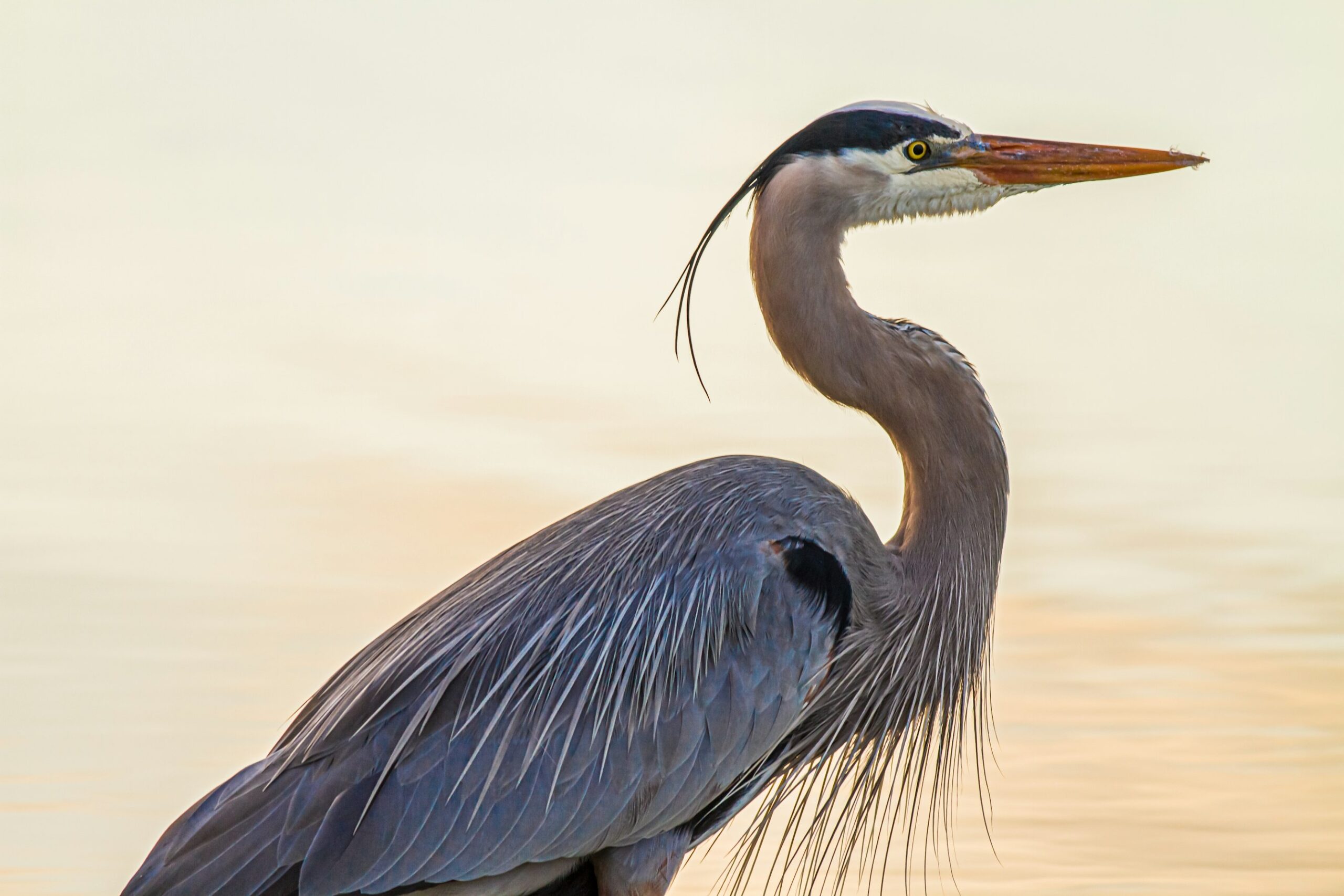
Their coloring — soft blue-gray feathers, a white crown with a dark plume, and a long, dagger-like bill — makes them one of the most striking birds to see against the green and blue backdrop of our lakes.
🍽 Masters of Patience
Herons are expert hunters, known for their incredible patience. They stand motionless for long stretches, waiting for the perfect moment to strike at fish, frogs, or even small snakes and insects.
Their lightning-fast reflexes make them successful hunters — and fascinating to watch. If you see ripples in the shallow water near a still heron, chances are it’s about to catch its next meal.
🪺 Life at the Lakes
Unlike the migratory ducks that visit us seasonally, Great Blue Herons live here year-round. They are highly adaptable and thrive near both large and small bodies of water.
They build large, stick nests — sometimes up to 4 feet wide — high in trees near water, often reusing the same nesting site for several years.
During breeding season, their normally solitary nature softens a bit as they gather in “heronries,” or colonies, to nest and raise their young.
🌿 A Symbol of Stillness and Strength
Their quiet, graceful presence reflects the peaceful spirit of life on the lake. Watching one glide over the water at sunrise or stalk the shallows at dusk reminds us why preserving our lakes and their habitats matters.
Next time you’re out walking or kayaking, pause for a moment if you see one — the herons often reward a little patience with a perfect photo opportunity.
